

Section 1.4: How We Name and Classify Yams #
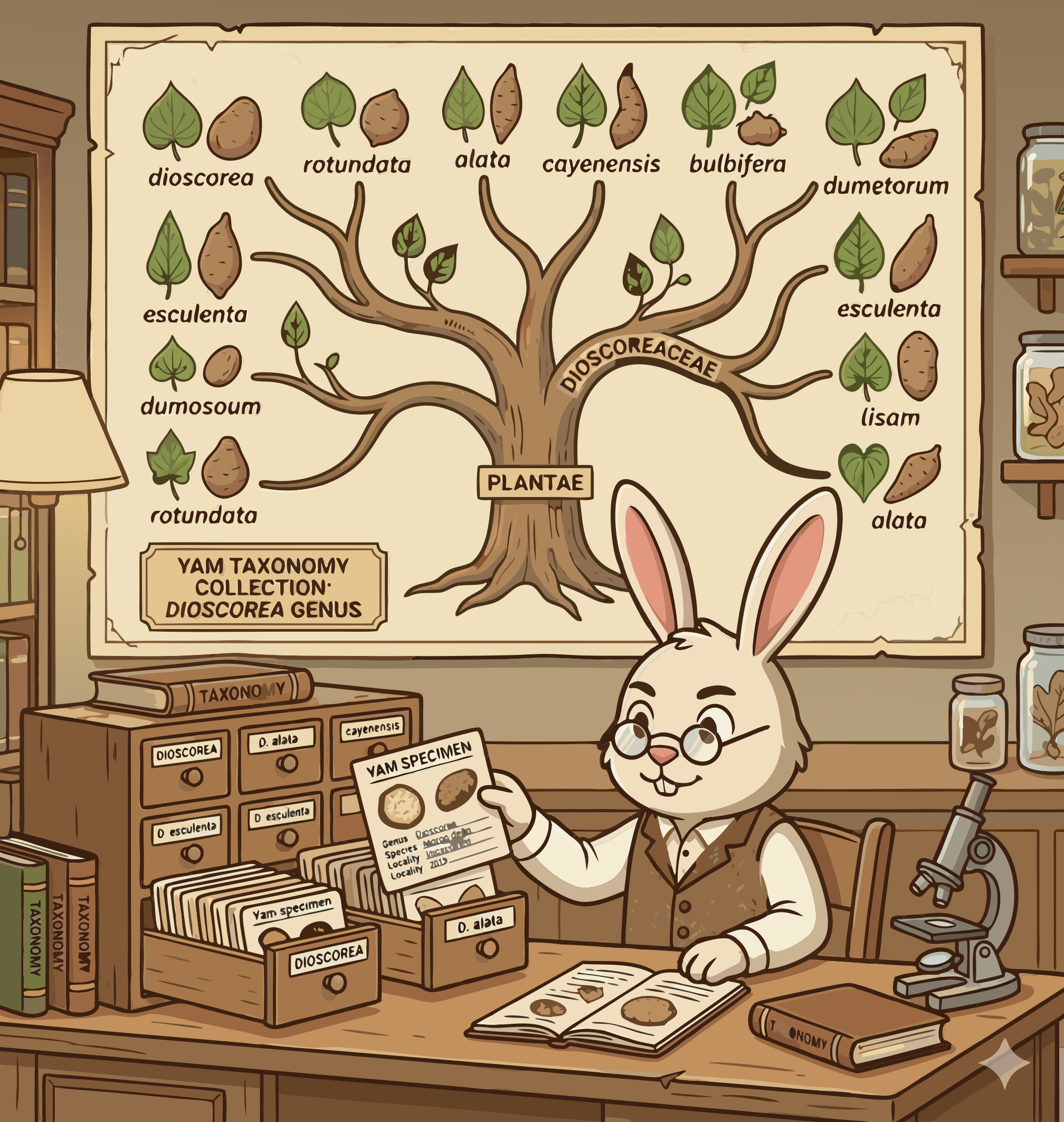
Consistent classification prevents confusion between farmers, researchers, and conservationists. Taxonomy provides the common language needed for global communication.
Botanical and Traditional Systems #
Broad biological frameworks and practical cultivation knowledge form the two pillars of yam classification.
Key Information:
- True yams belong to the family Dioscoreaceae and the genus Dioscorea.
- The basis for traditional West African classification is maturity period, tuber shape, and culinary properties, factors critical to farmers and consumers.
Bridging the Gap: Ethno-Botany and Genetics #
Modern systems integrate ancestral wisdom with precise genetic analysis to create a complete picture of the genus.
Key Information:
- Ethno-botanical classification combines traditional farmer knowledge with scientific analysis.
- Molecular genetic analysis confirms the relationships between varieties and identifies diversity across species and landraces.
- A major challenge is that similar varieties may have different local names in different regions, leading to potential confusion.
Conservation and Global Standards #
To preserve yam diversity, researchers use detailed accession records or “passports” for each specimen.
Key Information:
- Researchers use accession numbers linked to passport data to maintain records of yam genetic resources in germplasm banks.
- The IPGRI/Bioversity International has established international standards to ensure consistency and accuracy across the globe.
This multi-layered classification—from botanical family to precise molecular markers—ensures universal clarity when discussing yam species and varieties. Together, these tools accurately pinpoint the identity of any yam on Earth.




 By genus and species in the family Dioscoreaceae