

Section 4.1: Starches, Enzymes, and Physical Properties #
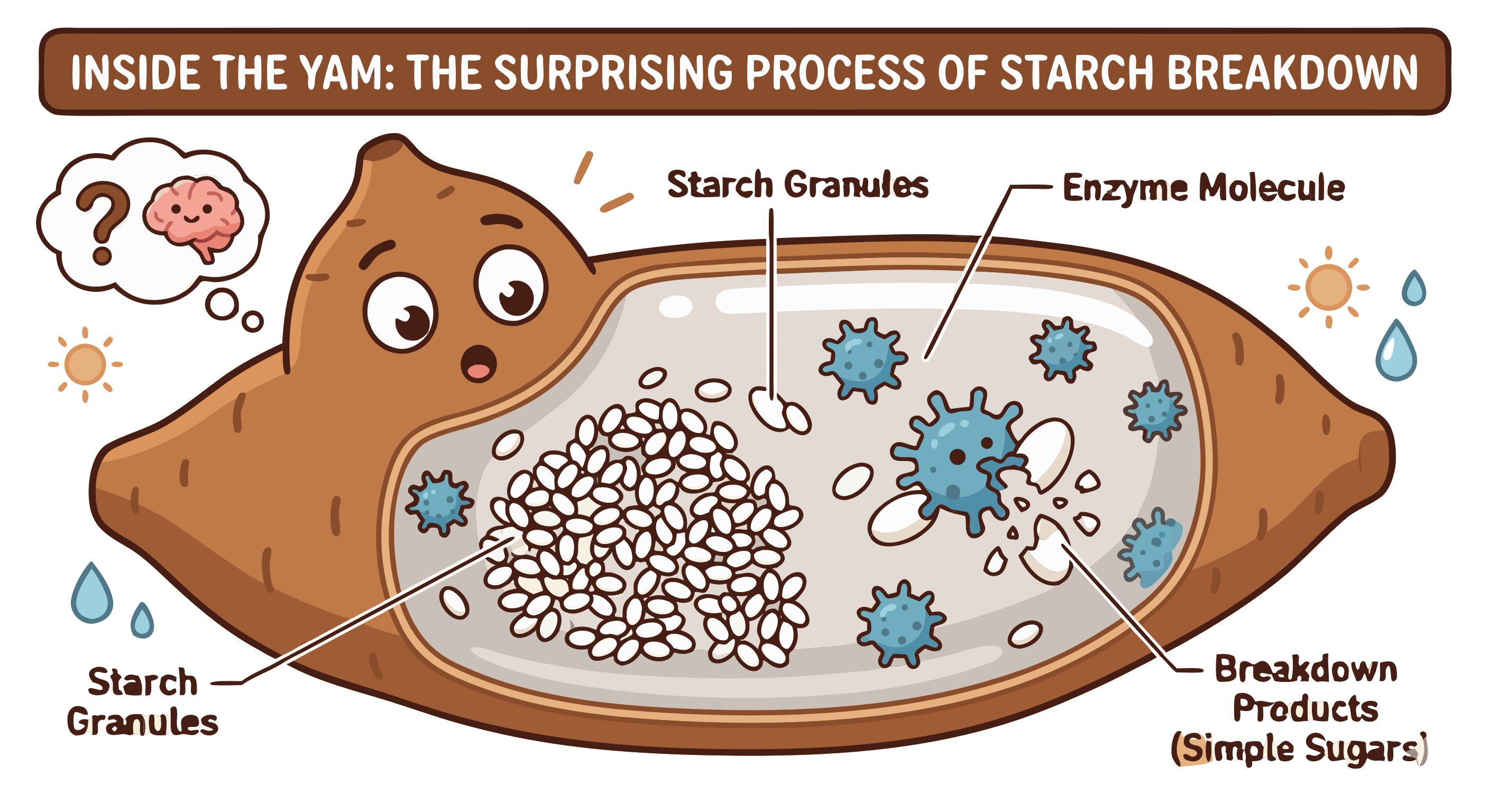
Yam chemistry determines whether a tuber survives dormancy, how it cooks, and how well it stores. These internal properties evolved for the plant’s survival, governing everything from texture to discoloration when cut.
Starch: The Energy Reservoir #
The primary carbohydrate in yam tubers is starch, consisting of amylose and amylopectin. This composition defines the tuber’s texture and cooking behavior.
Key Information: The primary carbohydrate stored in yam tubers is starch, which is a mixture of amylose and amylopectin.
When heated with water, yam starch gelatinizes. Granules swell and disrupt, transforming the raw tuber into a soft meal.
Key Information: During cooking, yam starch gelatinizes as heat and water disrupt the starch granules.
Refrigeration causes these starch molecules to reorganize through retrogradation (recrystallization), making the texture firmer.
Key Information: Starches in cooked yams undergo retrogradation (recrystallization) when refrigerated.
Moisture and Physical Properties #
Fresh yams have a high moisture content, essential for the living tuber but also making it susceptible to spoilage.
Key Information: The typical moisture content of fresh yams is 60-70%.
Polysaccharide-rich mucilage causes the slippery texture of species like the Japanese mountain yam (Dioscorea japonica) when grated.
Key Information: The slippery, mucilaginous texture of some yams when grated is caused by polysaccharide-rich mucilage in the tuber.
Enzymes and Oxidation #
When cut, yams brown due to polyphenol oxidase. This defensive reaction creates pigments that help protect wound sites from pathogens.
Key Information: The enzyme polyphenol oxidase causes browning when yam varieties are cut and exposed to air.
These chemical factors form a connected system: starch defines cooking, moisture governs shelf life, and enzymes manage wound response. Understanding these properties helps in both the kitchen and storage.




 Starch