

Section 6.3: Curing #
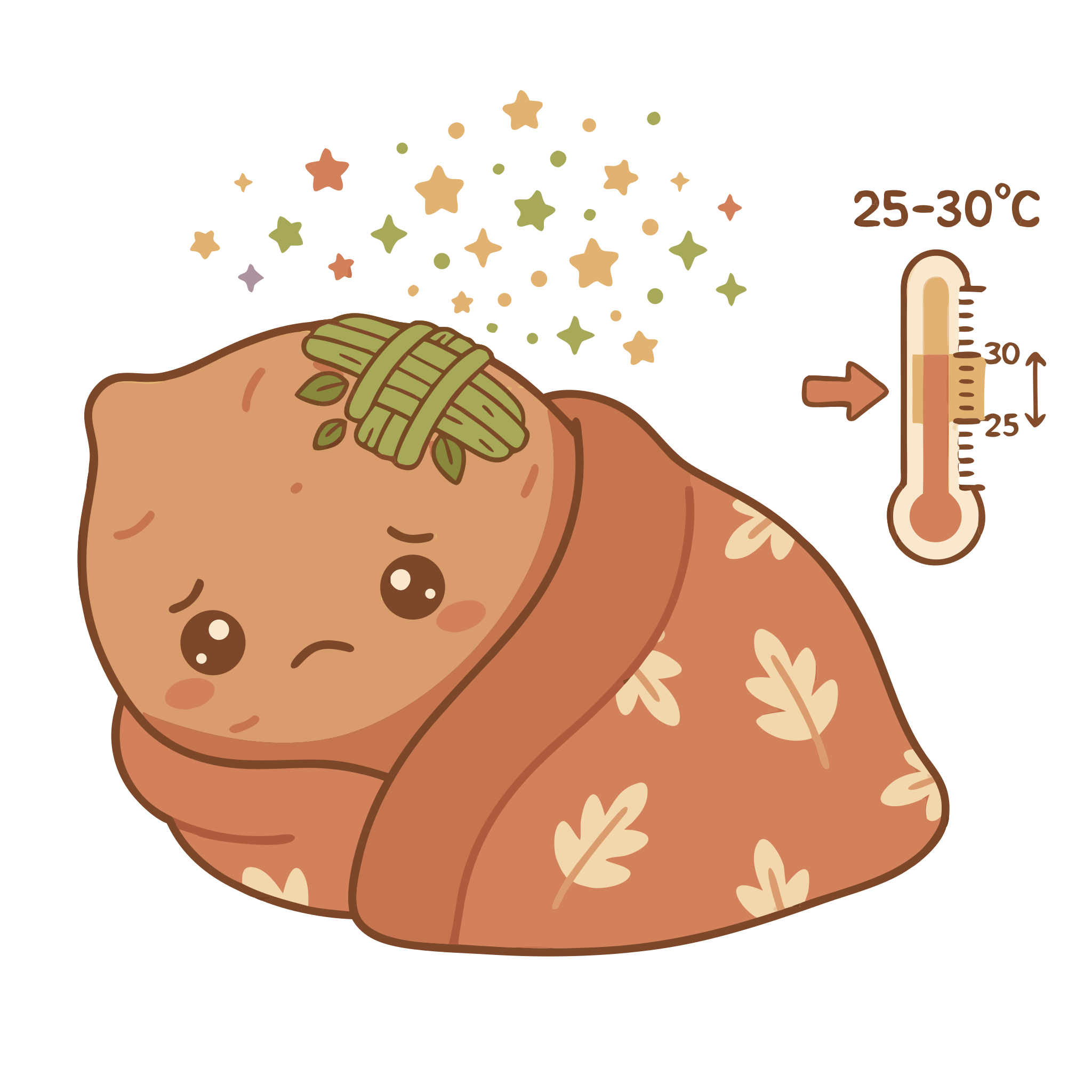
A freshly harvested yam is living tissue with an active metabolism. Curing allows the tuber to seal its own wounds before it enters long-term storage. By creating the right conditions for healing, farmers can significantly extend the storage life of their crop.
The Healing Process #
Even careful handling results in minor surface damage. Curing triggers a physiological reaction called “suberization,” where the yam forms a protective corky layer over these areas.
Key Information:
- The primary purpose of curing yams after harvest is to heal wounds and form a protective corky layer on the skin.
- Suberization of damaged skin cells occurs during proper yam curing.
Optimal Conditions #
Successful curing requires warmth and high humidity. While long-term storage favors cool and dry conditions, curing needs heat to drive the metabolic processes of healing and moisture to prevent wounds from drying too quickly.
Key Information:
- The optimal conditions for curing freshly harvested yams are 77-86°F (25-30°C) with 90-95% humidity.
- Both temperature and humidity should be relatively high during curing.
The Curing Timeline #
The healing process is relatively quick, typically completed within a week. During this time, the tuber continues to breathe as it stabilizes.
Key Information:
- The typical yam curing process takes 4-7 days.
- Respiration actively continues in yam tubers during the curing period.
Techniques and Results #
Traditional methods in West Africa involve placing tubers in piles or beds and covering them with yam vines to create a humid microclimate. Commercial systems use climate-controlled rooms.
Key Information:
- Leaving tubers in piles or beds covered with yam vines is a traditional method for curing yams in West Africa.
- Commercial yam production systems use temperature and humidity controlled rooms for curing.
It is important to protect yams from direct environmental stressors. A properly cured yam will have a visible corky layer, indicating it is now more resilient against decay and water loss.
Key Information: Direct sunlight and rainfall should be avoided during the yam curing process.
Key Information:
- The formation of a corky layer over cuts and wounds is a physical change indicating that yams have been properly cured.
- Proper curing increases storage life by reducing water loss and decay.




 To heal wounds and form a protective corky layer on the skin