

Section 7.3: Essential Cooking Techniques #
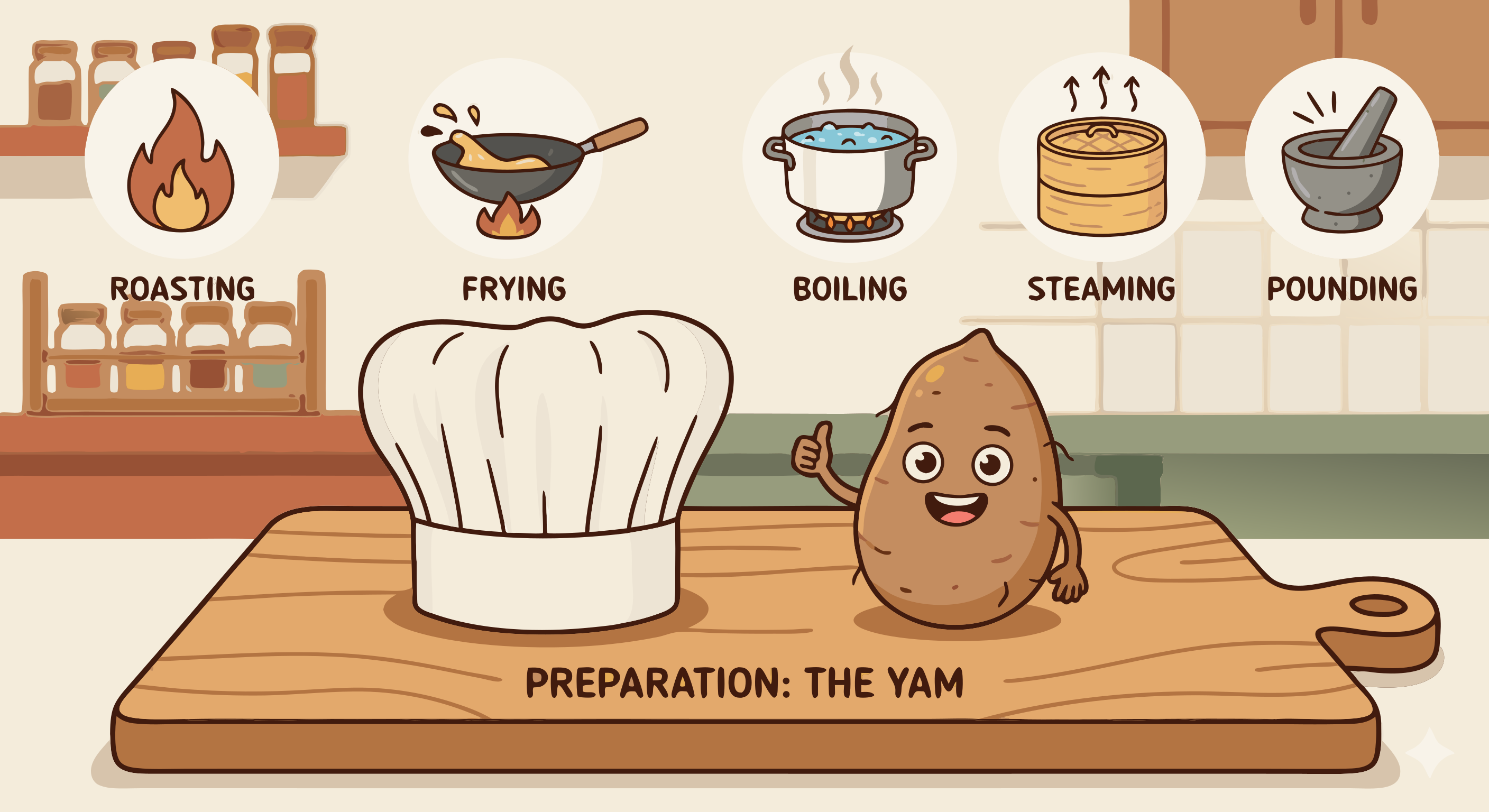
The choice of technique determines a yam’s final texture and flavor. Selecting the right method is key to a successful dish.
Boiling and Steaming #
Boiling is a common preparation method, but it can leach nutrients into the water. For maximum nutrient retention, steaming is preferred.
Key Information:
- Boiling is the most common basic cooking method for yams worldwide.
- Steaming best preserves the nutritional content of yams compared to other cooking methods.
Cutting yams into 1-inch (2.5 cm) cubes ensures they cook through quickly.
Key Information: The approximate boiling time for 1-inch (2.5 cm) cubes of yam is 15-20 minutes.
Managing Texture and Appearance #
Cut yams begin to brown quickly. Immersion in water with lemon juice or vinegar helps prevent this oxidation.
Key Information: Immersion in water with lemon juice or vinegar helps prevent oxidation of cut yams.
Texture can also be adjusted. For slimy varieties, a salt-water soak helps, while grating creates a prized stretchy texture.
Key Information:
- To reduce the sliminess of certain yam varieties, you can soak them in salt water before cooking.
- Grating the raw yam is the technique used to achieve the gluey, stretchy texture desired in some Asian yam dishes.
Frying and Roasting #
For a crispy finish, yams must be completely dry before they hit the oil.
Key Information:
- To create a crispy exterior in fried yam dishes, pat them dry before frying and use the proper oil temperature.
- Thinly slicing and deep frying or baking is the technique used to make yam chips or crisps.
To develop natural sweetness, roasting or baking is the most effective method.
Key Information: Roasting or baking best develops the natural sweetness of yams.
Culinary Adjustments #
In soups and stews, timing determines whether the yam maintains its shape or acts as a thickener.
Key Information: Adding yam pieces later in the cooking process best preserves their shape in soups and stews.
Specialized recipes use a “twice-cooked” approach to achieve unique textures.
Key Information: Twice-cooked yam dishes involve cooking once, cooling, then cooking again with a different method.




 Boiling