

Section 7.5: Toxicity and Contamination Prevention #
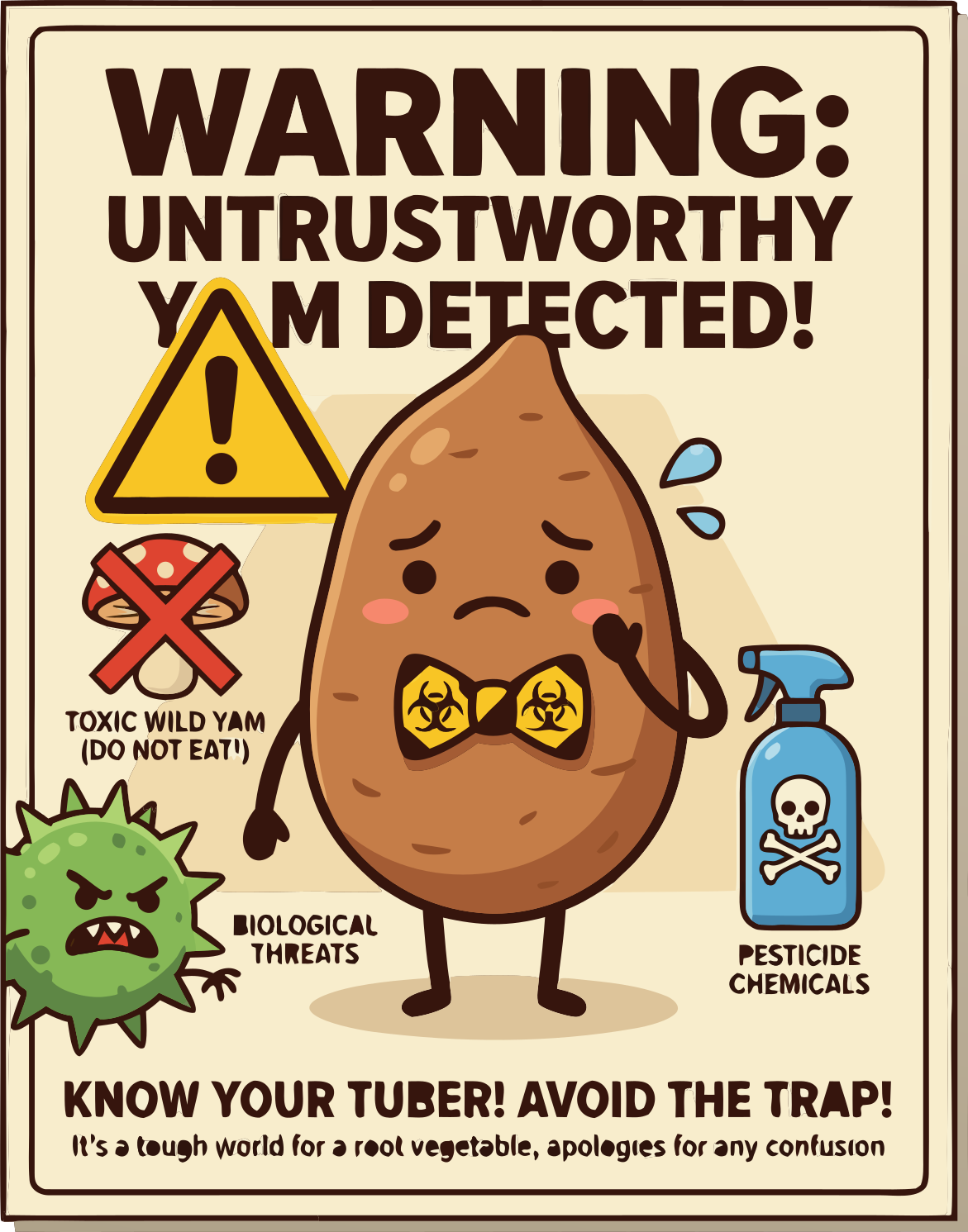
The safest way to think about yam hazards is in layers. First, use the right species. Next, process any natural toxins correctly. Finally, prevent spoilage and contamination after harvest.
Toxic Yam Species #
Species choice is the first safety gate. While common cultivated varieties are generally safe, some species—notably the air potato—require special care.
Key Information: The yam species that requires special processing due to toxic compounds is Dioscorea bulbifera (air potato).
Dioscorea bulbifera is identified by the bulbils produced on its vines. Because toxicity varies, these should not be consumed without expert knowledge.
Understanding Plant Toxins #
Once you know the species, the next question is which natural compounds need to be managed.
Key Information: The toxic compounds found in certain bitter or wild yam varieties are alkaloids and saponins.
These compounds are water-soluble rather than heat-sensitive. Simply cooking at high temperatures is insufficient; toxins must be leached out with water.
Traditional Detoxification #
Traditional detoxification works by removing or diluting the problem compounds rather than simply cooking around them.
Key Information: The traditional method for removing toxins from bitter yam varieties is prolonged soaking and/or repeated boiling with water changes.
A typical protocol involves soaking and performing multiple water changes during boiling to reduce the toxin load.
Foraging and Identification #
Wild harvesting raises the stakes because species identification and preparation knowledge have to be correct at the same time.
Key Information:
- Wild yams should never be consumed without positive identification and knowledge of proper preparation.
- Proper identification and understanding of preparation requirements is essential when collecting wild yams.
Managing Spoilage and Contamination #
Even safe species can become unsafe later. Poor storage invites rot, mold, and other contamination problems that preparation cannot always reverse.
Key Information: A yam that shows significant soft spots, unusual odor, or visible mold should not be eaten.
Discard spoiled yams entirely; toxins may spread beyond the visible damage.
Prevention starts in the field by limiting exposure to pathogens and chemical contaminants before the yam even reaches storage.
Key Information: Contamination risks in yam cultivation include soil-borne pathogens and chemical contaminants.
Post-harvest, proper curing and regular inspection are the primary defenses against microbial growth.
Key Information: Preventing microbial contamination during storage involves proper curing, dry storage conditions, and regular inspection.
Travel and Chemical Safety #
The final layer is judgment about source and handling.
Key Information: When eating unfamiliar yam dishes—especially while traveling—ensure they are properly cooked and prepared by knowledgeable sources.
Chemical safety follows the same principle: residues are best prevented before harvest rather than guessed away afterward.
Key Information: Pesticide contamination should be prevented by following integrated pest management practices and approved chemical usage guidelines.




 Dioscorea bulbifera (air potato) - some varieties