

Section 8.2: Fried, Baked, and Formed #
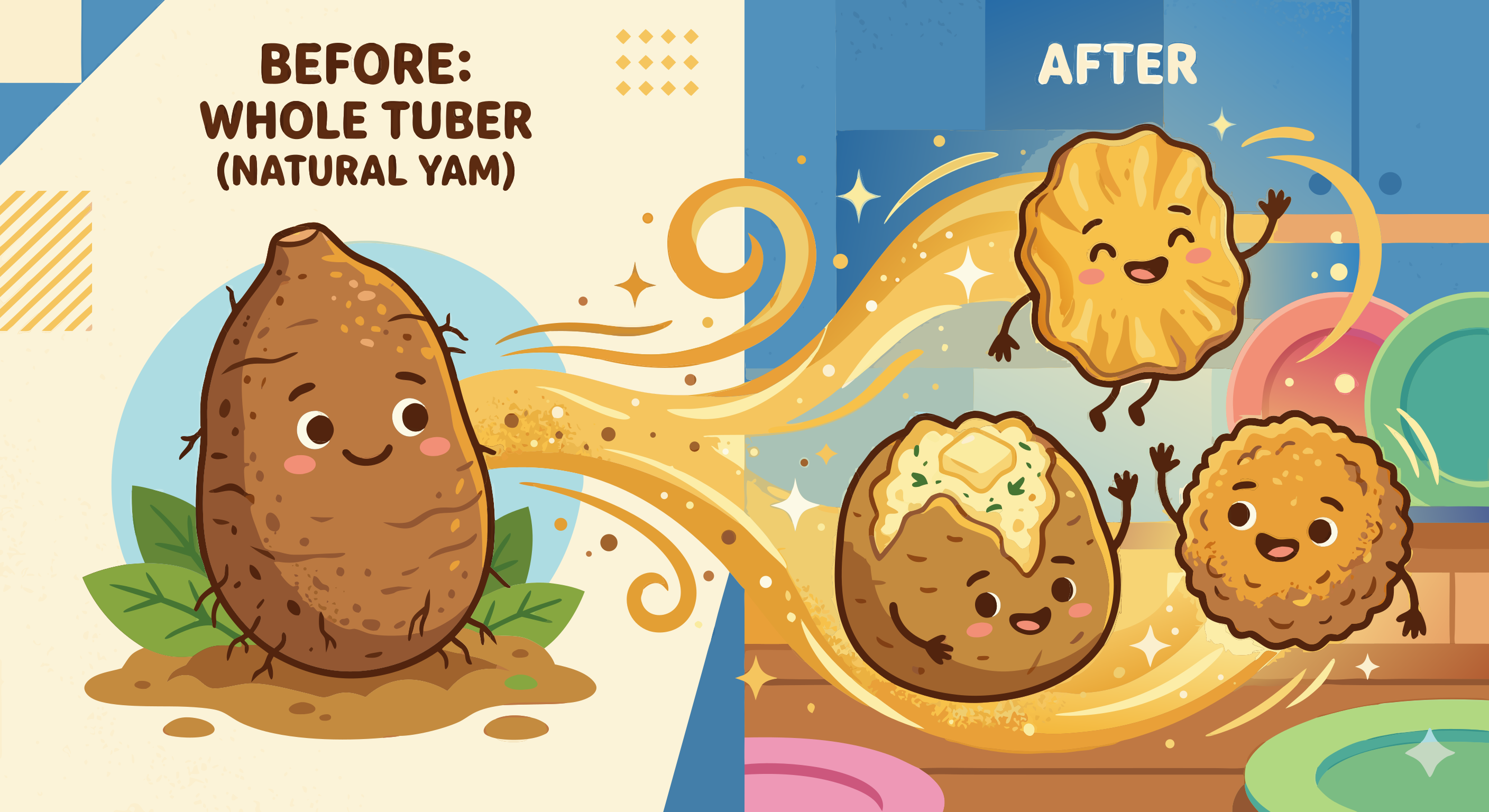
Yam starch withstands intense grating, mashing, and double-frying without losing integrity. This resilience enables crispy snacks, bound pastes, and formed cakes across many traditions.
Crispy Snacks and Sides #
Crispy preparations highlight the yam’s starch profile, providing a crunch that contrasts with its soft interior.
Key Information: Deep frying or baking are the common methods for making yam chips or fries.
India’s “senai kilangu varuval” elevates fried yams through integrated spices.
Key Information: “Senai kilangu varuval” is prepared by frying yams with spices.
Caribbean “tostones de ñame” employ a sophisticated twice-cooked technique. The starch maintains structure through slicing, initial frying, smashing, and secondary crisping.
Key Information: Tostones de ñame are prepared by slicing, frying, smashing, and then frying the yam again.
Grated and Blended Dishes #
Grating releases new textures, from smooth batters to viscous pastes. Japan’s “tororo” showcases the unique properties of grated mountain yam, valued for its silky, mucilaginous consistency.
Key Information: Tororo is grated mountain yam with a slimy texture, often served over rice or noodles.
West African cuisine uses grated water yam for savory street foods like Nigerian “ojojo,” where spiced batter is fried into golden morsels.
Key Information: Ojojo is a Nigerian dish made by frying a spiced water yam batter.
In Korea, “ma” is appreciated for its versatility in both liquid and solid forms.
Key Information: Korean “ma” is commonly consumed either blended into a drink or served cooked/steamed.
Starch Distinctions #
While cassava, taro, and true yams are all starchy tropical tubers, their chemical behavior under heat differs significantly.
Key Information:
- Jamaican bammy is traditionally made from cassava, not yam.
- Chinese taro cake (wu tao gou) features taro root, which is distinct from true yams.




 Deep frying or baking